A guide for parents.
Fun ways to teach rhyming to preschoolers.
Read rhyming books aloud, pause before the last word, and play quick rhyme games anywhere you’re waiting. Kids learn to hear rhymes by hearing a lot of them, so all of this counts as practice.

Six games to try.
No supplies needed.
Read rhyming books again and again.
Repeat readings help. By the fifth time through, your child knows which word is coming.
Pause before the rhyme.
Stop just before the last word of a line and let your child fill it in. A book they know well works best.
Ask “do these rhyme?”
Say two words, like cat and hat, or cat and dog. A yes or no is an easier start than asking your child to come up with a rhyme.
Find the odd one out.
Say three words: pig, wig, sun. Which one doesn’t belong? Use pictures or real objects if that helps.
Make up silly words.
Rhyme with your child’s name, or the dog’s. Nonsense words count. Dr. Seuss used plenty of them.
Play while you wait.
In the car or in line at the store, say a word and take turns rhyming with it. Stop when someone runs out.
Books to start with.
Good ones for hearing rhymes.
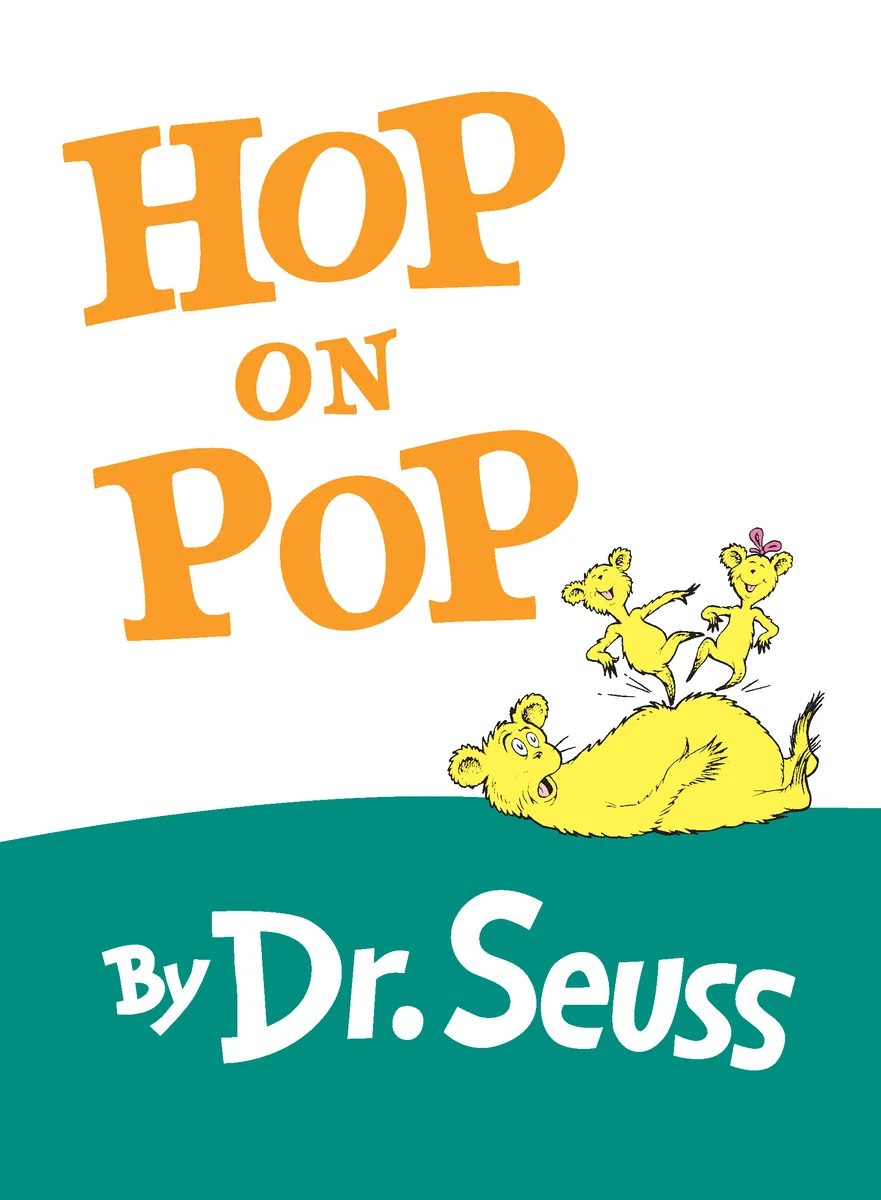
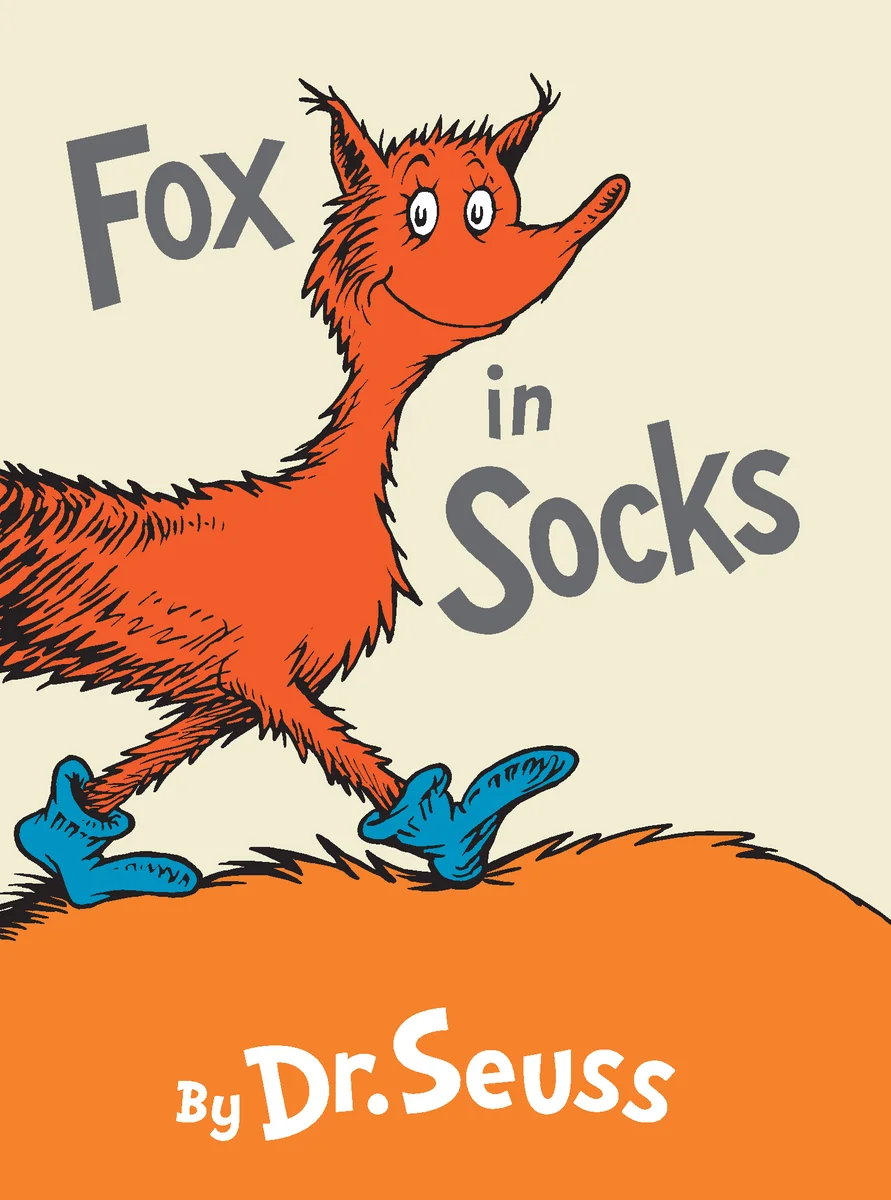
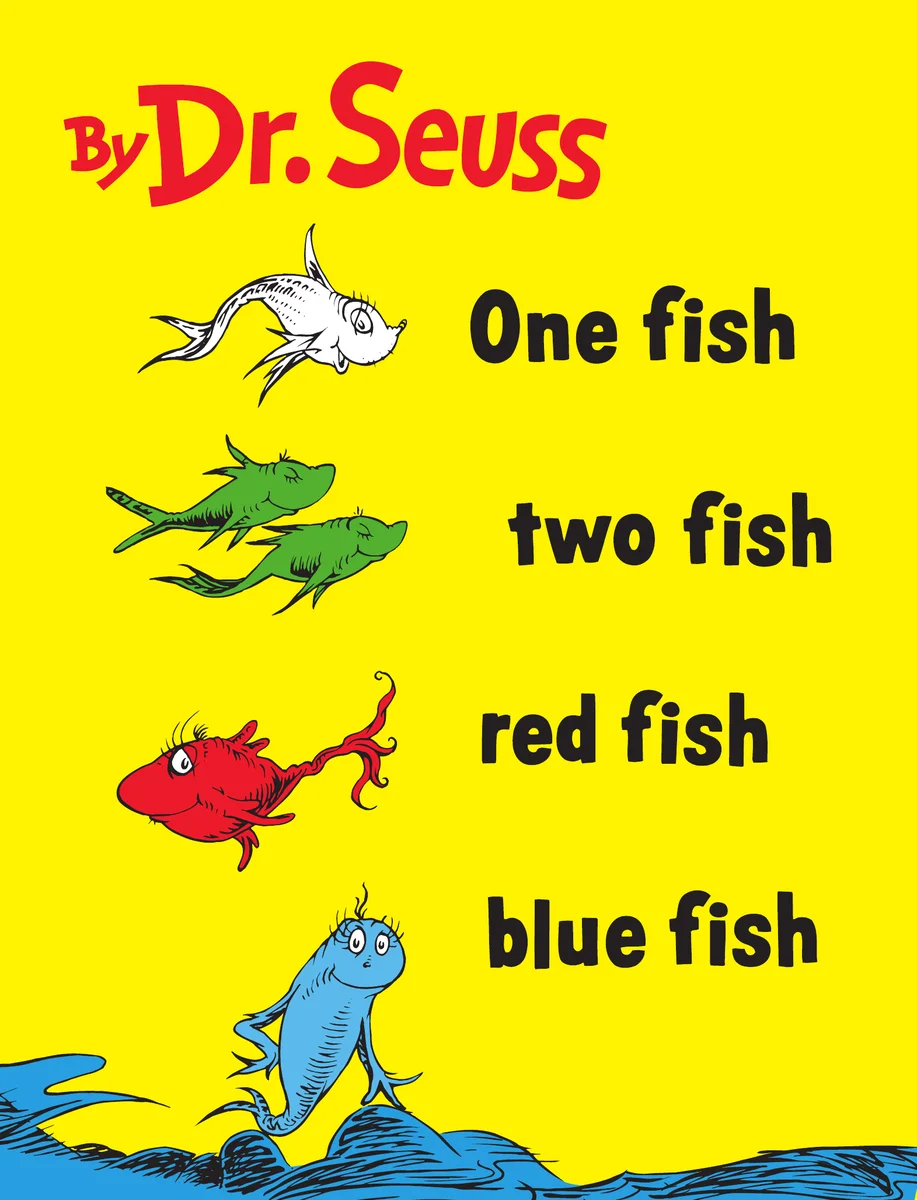
If you want a screen option.
Where the app fits.
None of this needs an app. If you’d like one for the hour the tablet is already on, Dr. Seuss: Learn & Play has 3 Finding Rhyming Words games, recommended from age 5.
“It’s really good. I like how you didn’t go over the top and fill every screen. It really has the proper Seuss feel to it.”
Good to know.
Questions from parents.
When should kids be able to rhyme?
By age 4, most kids say some words from a song, story, or nursery rhyme. By age 5, most use or recognize simple rhymes, like bat and cat. Kids vary a lot. If you’re worried, talk to your child’s doctor.
Why does rhyming matter?
Rhyming helps kids notice the sounds inside words, separate from what the words mean. It’s one of the easier sound skills. Blending and separating individual sounds usually come later.
My child can’t hear rhymes yet. What should I do?
Keep it light and keep reading. Stretch out the rhyming part when you say it, use pictures, and give two choices instead of an open question. Skip the quizzes for a while if it stops being fun. If you’re worried about hearing or speech, talk to your child’s doctor.
Sources.
We list these so you can read them directly. None of them has reviewed or endorsed Dr. Seuss: Learn & Play.
Turn the page.
Start your 7-day free trial today.
The lessons learned and the laughter earned. The words
and rhymes stuck in your mind. Now interactive like never before.