A guide for parents.
How to help your preschooler learn letters.
Start with the letters in your child’s name. Talk about letter names and sounds while you read, and keep it short and playful. You don’t need worksheets, and you don’t need to go in alphabetical order.
Six things that help.
A little every day goes a long way.
Start with their name.
Point out the first letter of your child’s name wherever you see it. Mix up the letters with blocks or paper cards, and put them back in order together. Then move on to the names of people your child loves.
Read together, and notice the letters.
While you read, stop now and then to point at a letter you’ve been working on. Keep the story going. The point is to keep books fun.
Teach the name, then the sound.
A letter’s name stays the same, and its sound can change. Many kids find the sounds easier once they know the names. “This is S. It says sss.”
Begin with sounds that are easy to say.
Sounds like m, s, f, n, and r are easy to hold and hear. Save letters that look or sound alike, such as b and d, so they aren’t learned at the same time.
Hunt for sounds around the house.
Pick a sound and find things that start with it. A motion helps too, like a munching mouth for m or a slithering arm for s.
Use their hands, and stop early.
Draw letters in sand, shape them from dough, or trace them with a finger. A few minutes is plenty. Stop while your child still wants more.
If you want a screen option.
Where the app fits.
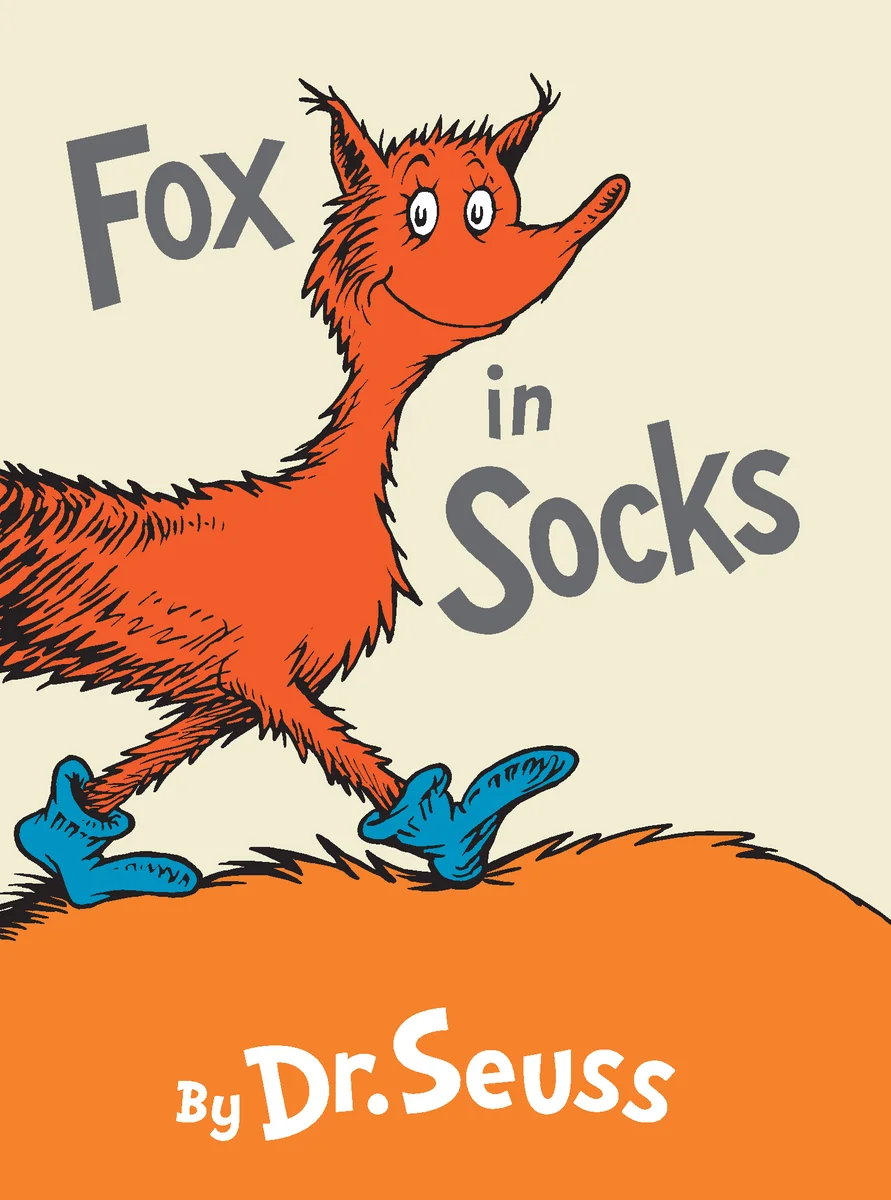
None of the steps above need an app. If you’d like one for the hour the tablet is already on, Dr. Seuss: Learn & Play has 5 letter tracing games that cover A through Z, and 8 games for building words.
Good to know.
Questions from parents.
What should my child know by 5?
By age 5, most kids name some letters when you point to them and write some letters in their name. Kids vary a lot. If you’re worried, talk to your child’s doctor.
Do I need to teach the alphabet in order?
No. The letters in your child’s name are a good first group. When you add sounds, reading specialists suggest starting with sounds that are easy to hold, like m, s, and f, and keeping similar letters apart.
Uppercase or lowercase first?
Show both early. Most of the words your child will see in books are lowercase, so don’t leave those for later.
Sources.
- CDC: Milestones by 5 Years
- Reading Rockets: Letters and Sounds, Practical Ideas for Parents
- Reading Rockets: The Alphabetic Principle
- PBS: Seven Tips for Early Literacy Learning
We list these so you can read them directly. None of them has reviewed or endorsed Dr. Seuss: Learn & Play.
Turn the page.
Start your 7-day free trial today.
The lessons learned and the laughter earned. The words
and rhymes stuck in your mind. Now interactive like never before.